
Incident Response Planning: Preparing for the Inevitable
Technology-driven businesses, from nimble SaaS startups to bustling e-commerce platforms and vital healthtech providers, thrive on innovation and speed. You’re building amazing things, often with lean, dedicated teams. But here’s a truth we all need to face: cybersecurity incidents aren’t a matter of “if,” but “when.” It’s not about fear-mongering; it’s about smart, proactive preparation.
For organizations that depend heavily on the cloud, a breach or system outage can feel like a catastrophic event, especially when internal resources are stretched thin. The good news? You don’t need a massive security department to build a robust defense. A well-thought-out incident response (IR) plan is your blueprint for navigating the storm, minimizing damage, and getting back to business quickly.
Let’s walk through the essential steps to create a simple, effective IR plan for your team.
The Phases of Incident Response: Your Roadmap to Recovery
Think of incident response as a structured journey. While real-world incidents can be chaotic, having a clear roadmap helps you stay calm and effective. The industry generally breaks IR down into five core phases:
1. Preparation: Building Your Foundation
This is where you do the groundwork before anything goes wrong. It’s about getting your ducks in a row.
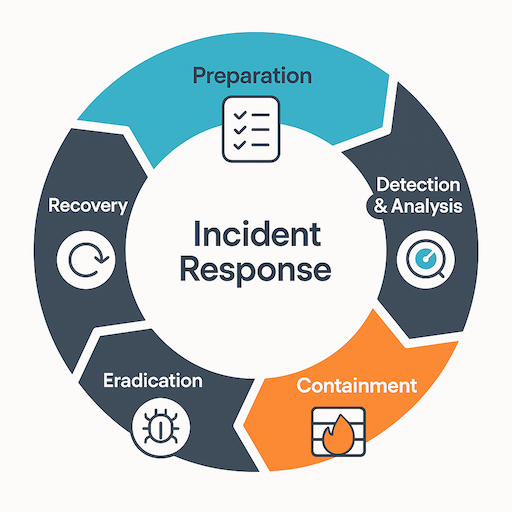
Visualizing the five critical stages of incident response: from preparation to recovery.
- Inventory Your Assets: Do you know every public-facing system, application, and piece of data you have? A clear inventory is crucial for knowing what to protect and what might be vulnerable.
- Identify Critical Systems: Which systems are absolutely vital for your business operations? Prioritize these for protection and rapid recovery.
- Establish Communication Protocols: This is paramount. When an incident occurs, who needs to know, and how?
- Internal Alerts: Define how technical teams will alert each other. Is it a dedicated chat channel? An emergency email list? Make it clear and immediate.
- External Notifications: Determine who handles communications with customers, partners, and the public if necessary. This isn’t a technical role; it’s often a leadership or PR function.
- Assign Roles (Even for Small Teams): Even if you have a small team, assign clear responsibilities. Someone needs to be the primary incident handler, leading the technical response. Another person should be designated for communications, ensuring consistent and accurate messaging. If you’re a one-person IT shop, you’ll wear multiple hats, but knowing which hat to put on when is still valuable.
- Document Everything: This can’t be stressed enough. Create clear, concise documentation for every step of your plan.
2. Detection & Analysis: Spotting the Signals
This phase is about recognizing that something’s wrong and understanding what it is.
- Monitoring: Implement tools and processes to monitor your systems for unusual activity, unauthorized access attempts, or performance anomalies.
- Alerting: Ensure your monitoring systems generate actionable alerts that reach the right people.
- Initial Assessment: Once an alert comes in, quickly determine if it’s a false alarm or a genuine incident. If it’s real, gather initial information: what happened, when, where, and what systems are affected.
3. Containment: Stopping the Bleed
Once you’ve detected an incident, your priority is to stop it from spreading and causing further damage.
- Isolation: Disconnect compromised systems from the network. This might mean taking a server offline or blocking specific IP addresses.
- Evidence Preservation: While containing, be mindful of preserving digital evidence. This is crucial for understanding how the breach happened and for potential legal or forensic analysis later.
- Short-Term vs. Long-Term: Implement immediate, short-term containment measures, then plan for more robust, long-term solutions.
4. Eradication: Getting Rid of the Threat
This is about eliminating the root cause of the incident.
- Identify Root Cause: Figure out how the attacker got in or what vulnerability was exploited.
- Remove Malicious Components: Clean infected systems, remove malware, and close backdoors.
- Patch Vulnerabilities: Apply patches to any exploited systems or software. This is a critical step to prevent recurrence.
5. Recovery: Restoring Operations
Once the threat is gone, it’s time to bring your systems back online safely.
- Restore from Backups: Use clean, verified backups to restore compromised data and systems.
- System Validation: Thoroughly test all restored systems to ensure they’re functioning correctly and securely before bringing them back into full production.
- Monitor Closely: Keep a close eye on recovered systems for any signs of lingering issues or renewed attacks.
Beyond the Technical: External Help and Compliance
Your IR plan shouldn’t operate in a vacuum. It needs to account for external factors and legal obligations.
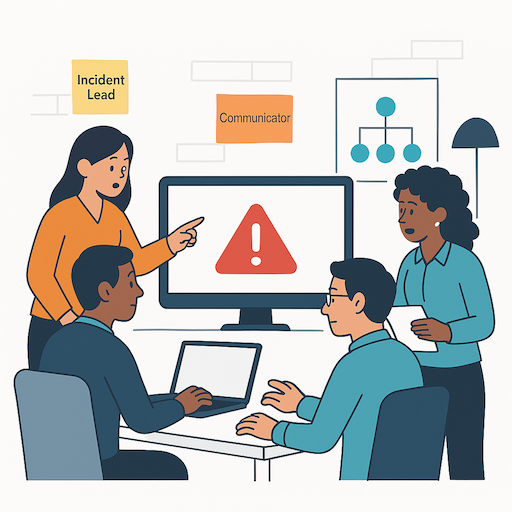
Even lean teams can coordinate effectively with a well-defined incident response plan.
- Coordinate with External Help: Don’t hesitate to involve outside experts when needed.
- Managed Response Services: If your team is small, consider having a pre-arranged agreement with a managed security service provider (MSSP) for incident response.
- Forensics Experts: For complex breaches, a specialized digital forensics firm can help uncover the full scope of an attack.
- Law Enforcement: Depending on the severity and nature of the incident, contacting law enforcement might be necessary. Have these contacts readily available.
- Legal and Regulatory Requirements: This is a big one, especially for regulated service providers like fintech and healthtech.
- Understand your industry’s specific compliance obligations.
- Know the timeline for notifications to customers, regulators, or other affected parties. Data breach notification laws vary by region and industry, and missing deadlines can lead to significant penalties. Include a clear decision-making tree for when and how to notify.
Practice Makes Perfect: Drills and Continuous Improvement
An IR plan isn’t a document you write once and forget. It’s a living document that needs to be tested and refined.
- Schedule Regular Drills or Tabletop Exercises: These aren’t full-blown simulations, but rather discussions where your team walks through a hypothetical incident scenario. This helps identify gaps in your plan, clarify roles, and build confidence. Even a simple, hour-long discussion can be incredibly valuable.
- Emphasize Documenting Lessons Learned: After every real incident or drill, conduct a post-mortem. What went well? What could have been better? What new vulnerabilities were discovered?
- Update the Plan: Based on lessons learned, new technologies, or changes in your business, regularly update your IR plan. Ensure everyone has access to the latest version.
The Inevitable Doesn’t Have to Be Disastrous
Preparing for a cybersecurity incident isn’t about expecting the worst; it’s about empowering your business to handle challenges with resilience and confidence. By creating a simple, actionable incident response plan, assigning clear roles, documenting procedures, and practicing regularly, you’re not a victim of the inevitable – you’re prepared to overcome it. Your focus can remain on innovating and growing, knowing you have a solid strategy in place for when the unexpected happens.